The plugin model also encourages a community ecosystem: third-party authors can specialize deeply, producing plugins tailored to specific needs (e.g., low-latency input, advanced post-processing, or improved handling of obscure titles). The downside is increased complexity for users: choosing the right combination of plugins and configuring their settings can be daunting, and some combinations produce bugs or incompatibilities that require troubleshooting. Nonetheless, for users willing to learn, plugins unlock a powerful range of customization and enhancement.
BIOS: The Heart of Authenticity The BIOS (Basic Input/Output System) is central to any console emulator because it provides the low-level firmware routines used by original games. ePSXe requires a PS1 BIOS dump to boot games exactly as hardware would — from the manufacturer’s boot sequence to region checks and CD-ROM initialization. Using an official BIOS produces the highest fidelity in behavior and compatibility, reproducing console quirks and enabling some copy-protection mechanisms to behave as intended. However, because BIOS images are copyrighted and tied to physical consoles, legal and ethical use demands that users obtain a BIOS only from their own PS1 hardware. ePSXe’s reliance on the BIOS underscores a trade-off: fidelity and compatibility versus the legal constraints of using proprietary firmware.
When you run ePSXe 1.9.25 for the first time, a configuration wizard will appear.
Click to adjust resolution and stretching to fit your monitor. Go to Config > Sound and select the default ePSXe SPU core. 3. Memory Card Setup Go to Config > Memory Cards .
ePSXe’s modular plugin system is its greatest strength. Version 1.9.25 shipped with basic internal plugins, but to achieve a "full" experience, you need third-party plugins that dramatically enhance visuals and audio.
.png)

 eRTK10 mini
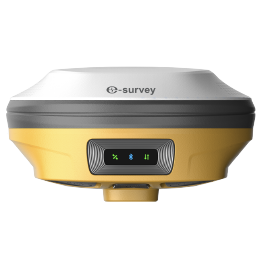 eRTK20
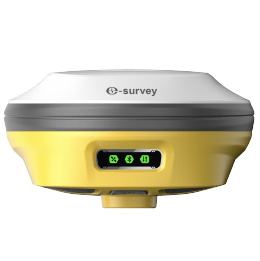 eRTK25
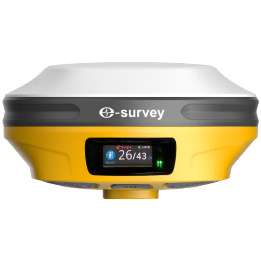 eRTK30
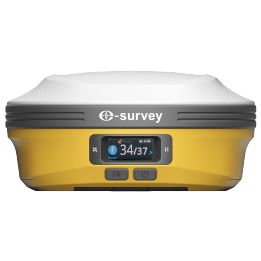 eRTK60
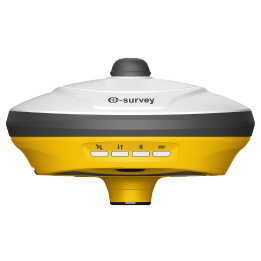 eBase 20
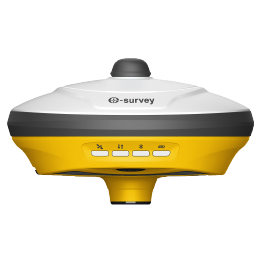 E200
E200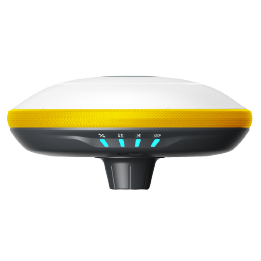 E300 Pro
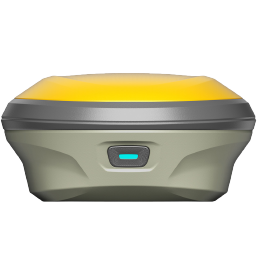 E500
E500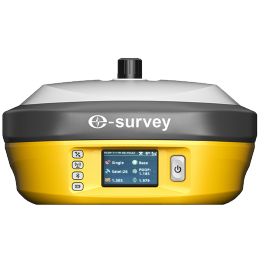 E800
E800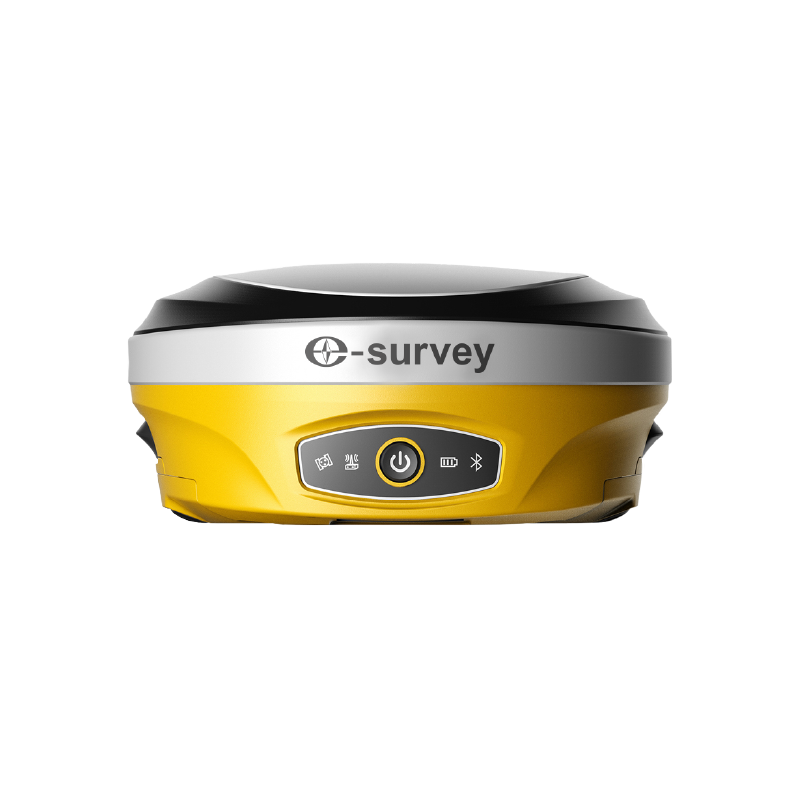 E600
E600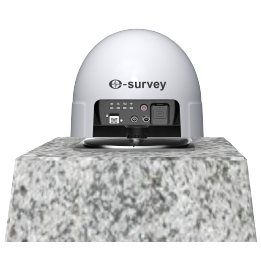 eDMR1
eDMR1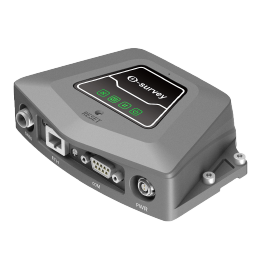 NET10
NET10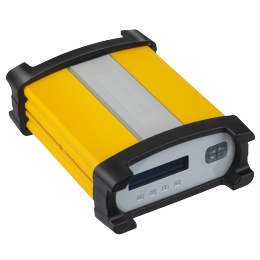 NET20 PLUS
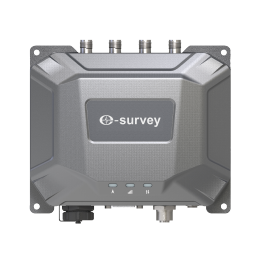 eHP10
eHP10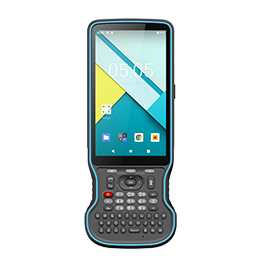 P8III
P8III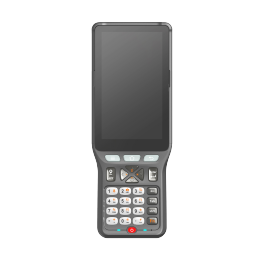 P9IV
P9IV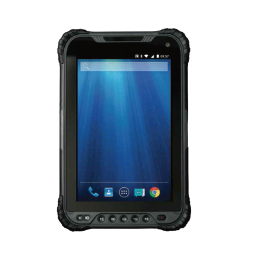 UT32
UT32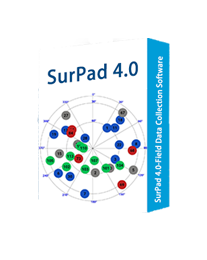 Surpad4.2
 GEOSolution
 GNSS.NET
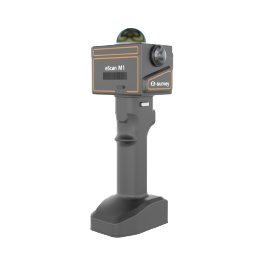 eScan M1
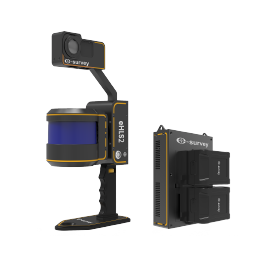 eHLS2
eHLS2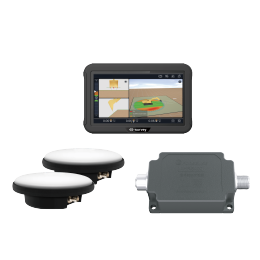 eME10
eME10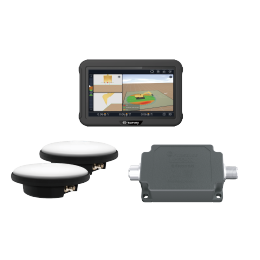 eME30
eME30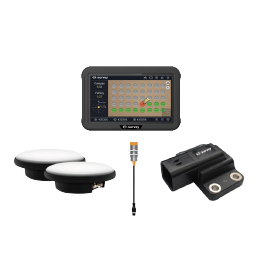 eMP10
eMP10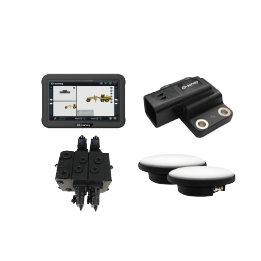 eMG30
eMG30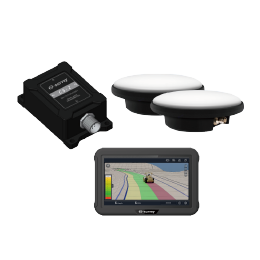 eMR10
eMR10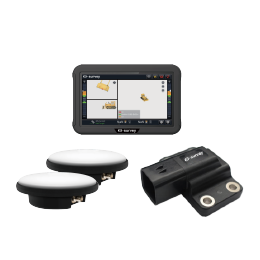 eMB10
eMB10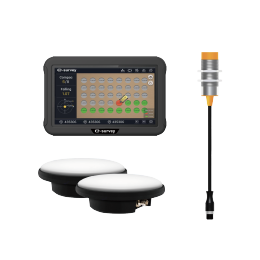 eMC10
eMC10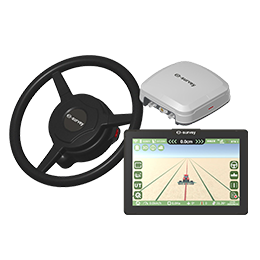 EAS502
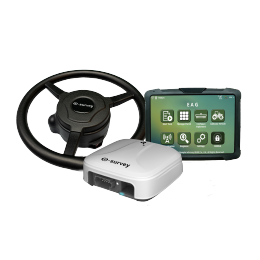 Bestar 301
 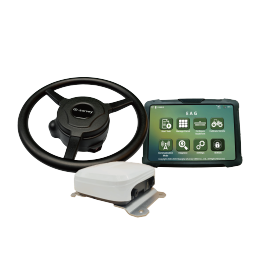 EAS301 Pro Motor
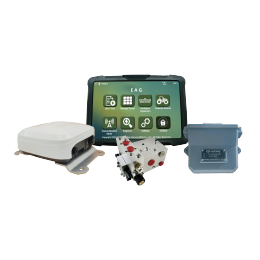 EAS301 Pro Hydraulic
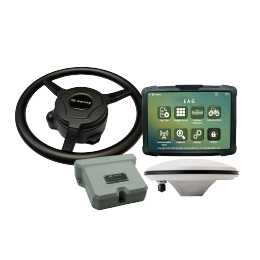 EAS100
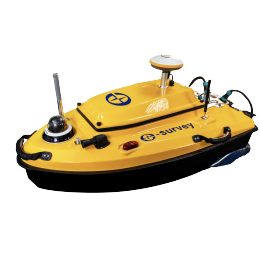 VE115
VE115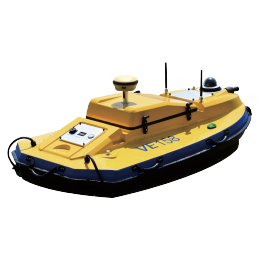 VE158
VE158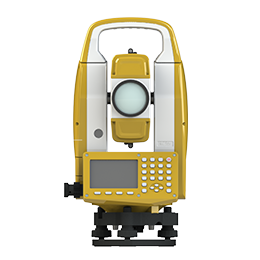 eTS32
eTS32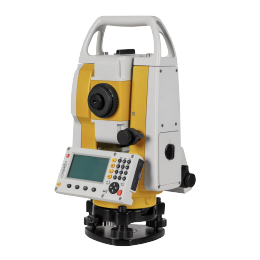 E3
E3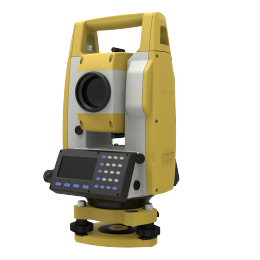 eTS2
eTS2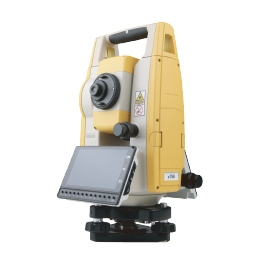 eTS8
eTS8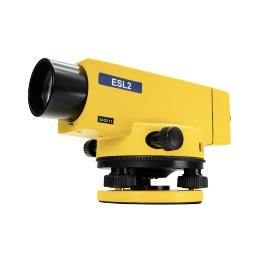 ESL2
ESL2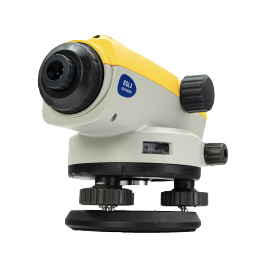 ESL3
ESL3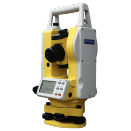 ET2A
ET2A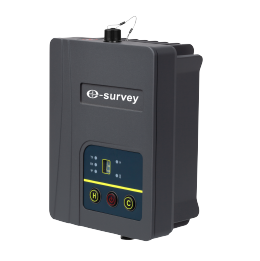 TRU35
TRU35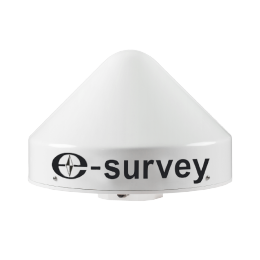 UA91
UA91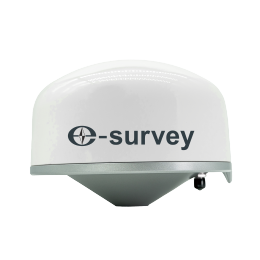 UA92
UA92 UA35
UA35