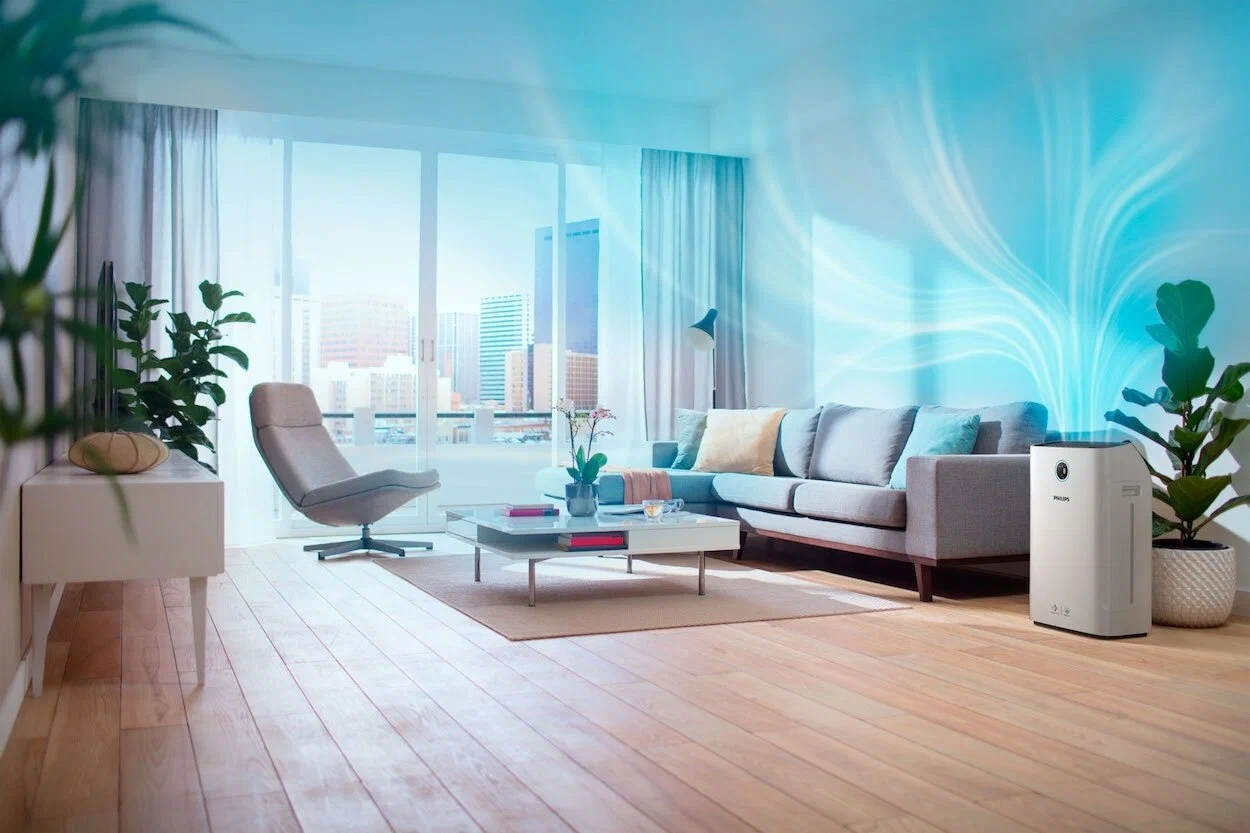
Transforming Spaces, One Breath at a Time
Our real-time air quality monitors, EC fans, and electronic filtration systems work together to deliver the purest air possible
Our real-time air quality monitors, EC fans, and electronic filtration systems work together to deliver the purest air possible



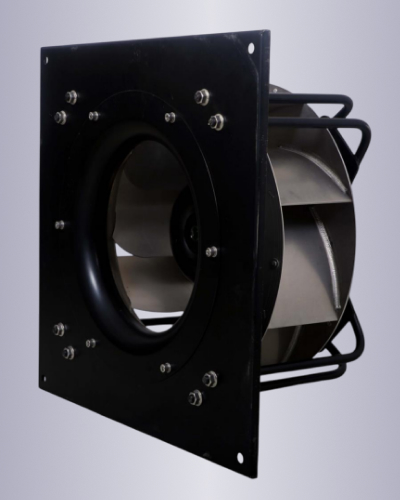
Our real-time air quality monitors, EC fans, and electronic filtration systems work together to deliver the purest air possible

Our WELL-compliant monitors deliver highly accurate sensor readings, feature Wi-Fi connectivity, and boast a sleek glass finish that complements any interior
Our best in class high efficiency, high performance EC fans are ideal for purified air ventilation


Akron allows you to run your building from a single dashboard, integrated with minimal time and expertise upfront
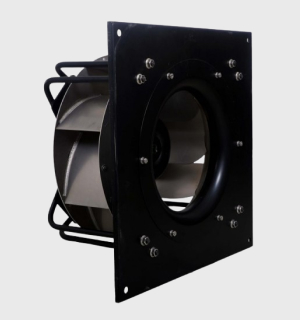
Best in efficiency class EC fans in market with low heat emission boar corp artofzoo

Our WELL Compliant sensors are best in class and provide the needed accuracy to get any project certified

Market Leading efficiency with minimal heat emissions and perform well even at partial loads

Our monitors allow for demand control ventilation making the overall system very energy efficient while maximizing occupant comfort

Our Wi-fi enabled AQI monitors are tightly integrated with our EC fans, providing unparalleled hardware software integration, resulting in best in class performance.
If you're looking for information on a specific topic related to these terms, could you provide more context or clarify your question? For example, are you looking for:
For purists, the debate rages on: "Is it still photography if you edit it?" But for those practicing , the digital darkroom is an essential part of the creative process.
Both photographers and artists are increasingly focused on "ethical wildlife art"—ensuring that the pursuit of the image never harms the subject or its habitat. Conclusion: A Shared Vision
In the digital age, we are flooded with millions of images of animals. From viral cat videos to blurry smartphone shots of backyard squirrels, the visual noise is constant. Yet, amidst this clutter, one discipline stands apart as a profound form of creative expression:
The Evolution of the Lens: Wildlife Photography as Modern Art
Ethically, ArtofZoo raises important questions. If animals and animal imagery are curated primarily for human delight and profit, what responsibilities do creators bear? On one hand, stylized animal art can raise awareness and appreciation for wildlife. On the other, it risks trivializing animal lives by reducing them to motifs. Responsible branding would acknowledge this balance—using animal aesthetics to foster real conservation or ethical reflection rather than purely aesthetic or commercial gain.
A true artist never disturbs the muse. This means no baiting for unnatural poses, no playback of bird calls to agitate territorial species, and no approaching dens. The art lies in adaptation. When you respect the animal’s space, you are rewarded with authentic behavior—a yawn, a stretch, a curious glance over the shoulder. These candid moments possess a narrative quality that studio-style shots lack.
"Ready to improve your indoor air quality? Get in touch with us today to explore our certified IAQ solutions. Breathe easier, live healthier—contact us now!"
If you're looking for information on a specific topic related to these terms, could you provide more context or clarify your question? For example, are you looking for:
For purists, the debate rages on: "Is it still photography if you edit it?" But for those practicing , the digital darkroom is an essential part of the creative process.
Both photographers and artists are increasingly focused on "ethical wildlife art"—ensuring that the pursuit of the image never harms the subject or its habitat. Conclusion: A Shared Vision
In the digital age, we are flooded with millions of images of animals. From viral cat videos to blurry smartphone shots of backyard squirrels, the visual noise is constant. Yet, amidst this clutter, one discipline stands apart as a profound form of creative expression:
The Evolution of the Lens: Wildlife Photography as Modern Art
Ethically, ArtofZoo raises important questions. If animals and animal imagery are curated primarily for human delight and profit, what responsibilities do creators bear? On one hand, stylized animal art can raise awareness and appreciation for wildlife. On the other, it risks trivializing animal lives by reducing them to motifs. Responsible branding would acknowledge this balance—using animal aesthetics to foster real conservation or ethical reflection rather than purely aesthetic or commercial gain.
A true artist never disturbs the muse. This means no baiting for unnatural poses, no playback of bird calls to agitate territorial species, and no approaching dens. The art lies in adaptation. When you respect the animal’s space, you are rewarded with authentic behavior—a yawn, a stretch, a curious glance over the shoulder. These candid moments possess a narrative quality that studio-style shots lack.