A reliable tool to batch export Outlook PST files to MSG format without Outlook. It preserves email data, attachments and folder structure while handling bulk PST to MSG conversion quickly. Try it for Free!
Hassle-free way to convert PST file to MSG files with attachments
Choosing Advik PST to MSG Converter over any other can offer you more than you can expect. The reason is that it offers more than just PST to MSG file conversion. Such as preserving the original structure of PST emails, metadata, selective conversion, batch export, and many more. This is why many IT professionals prefer to use Advik PST to MSG conversion tool.
When to Use Advik PST to MSG Converter?
Video Tutorial
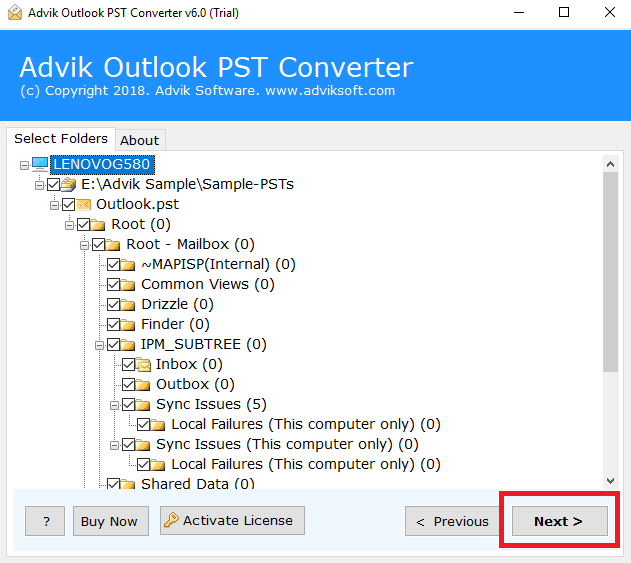
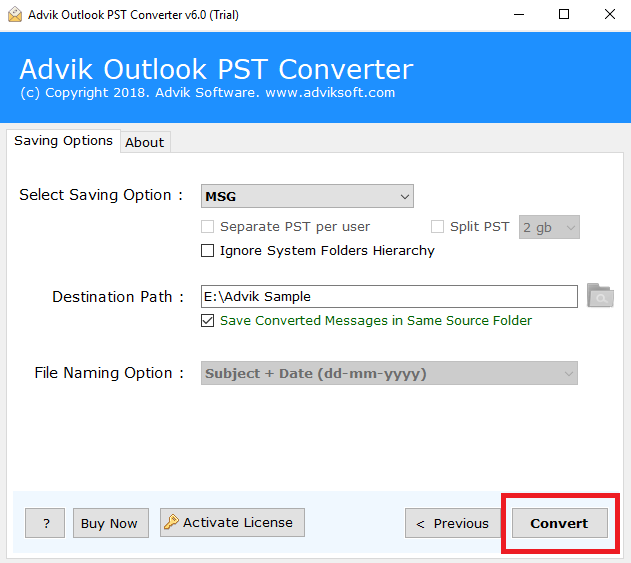
How to Convert PST to MSG Format Automatically?
Efficient Application to Convert Corrupted, Orphaned PST files to MSG Format
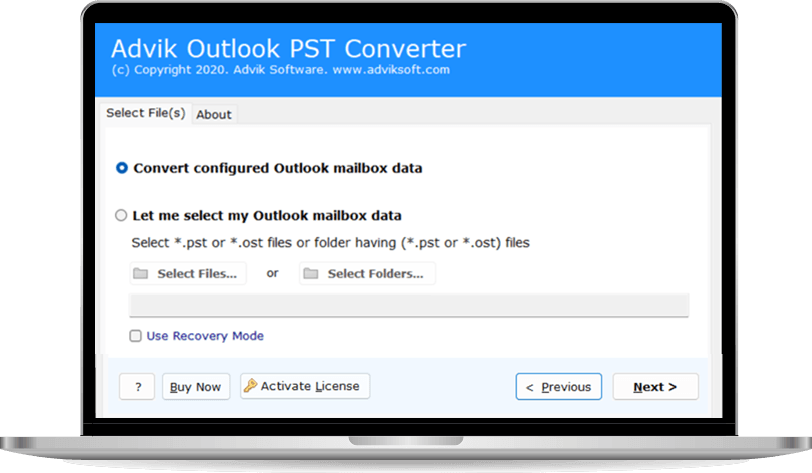
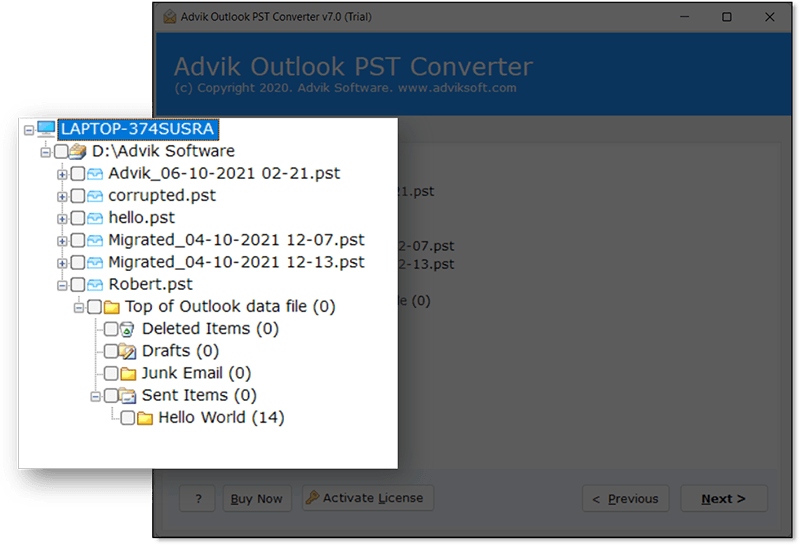
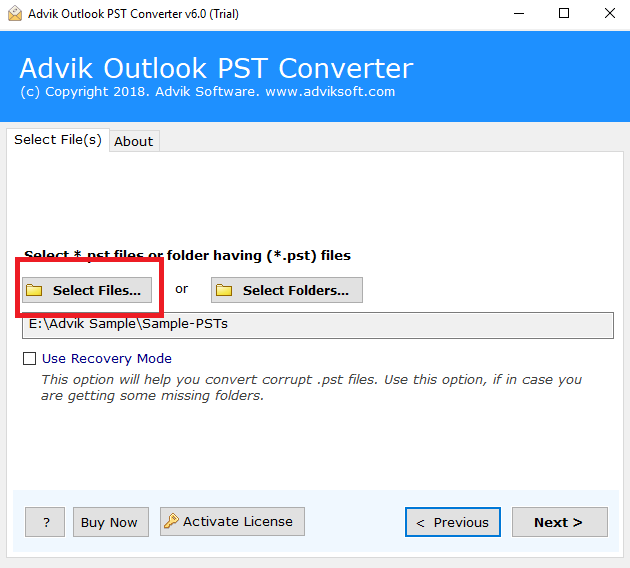
The software lets you export PST to MSG files in bulk. You can customize your conversion preferences by including multiple PST folders or files at once. There's no need to export PST files one by one. The batch mode option will help you to convert multiple PST files at once. All you have to do is move the PST files into one folder. Then launch the tool and click "Select Folder", now select this folder for conversion. This way you can convert multiple PST files to MSG file format in batch.
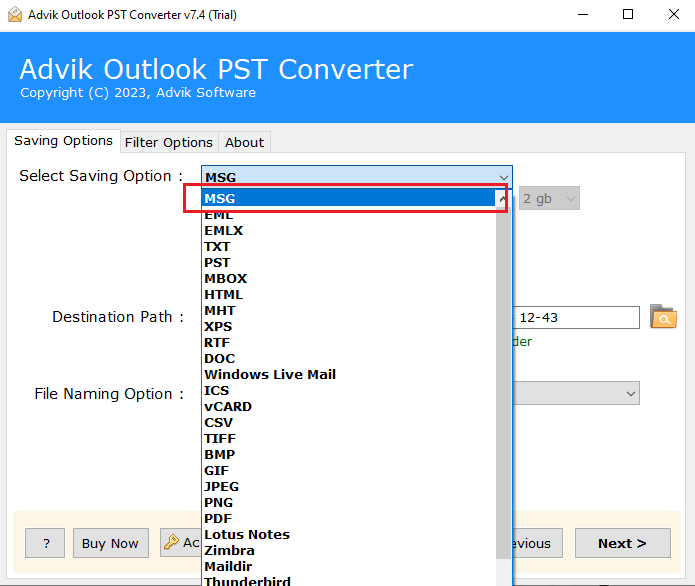
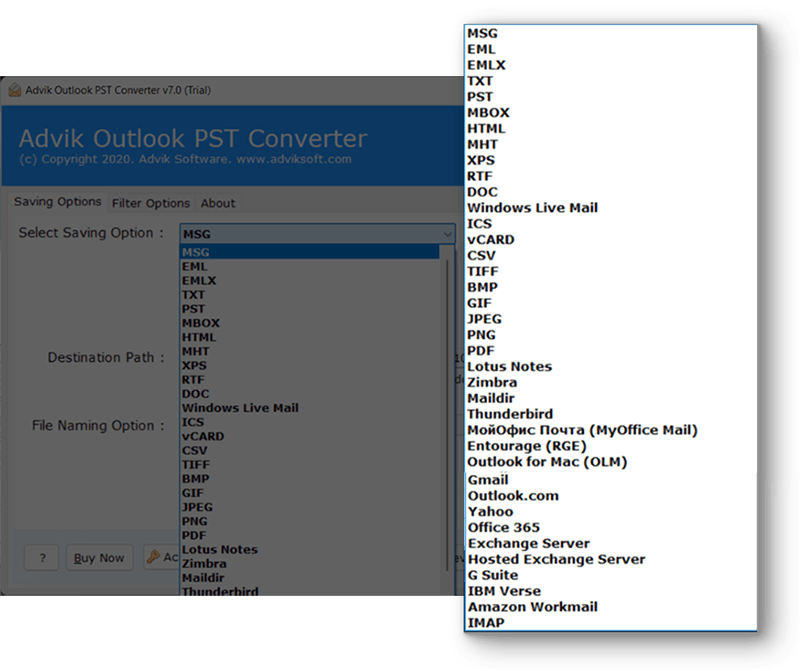
Apart from PST to MSG Conversion, this remarkable software also allows users to save PST files in several formats. You can convert PST to EML, EMLX, TXT, MBOX, HTML, MHT, XPS, RTF, DOC, ICS, VCard, and CSV File Formats. Therefore, it becomes easy to access PST emails on different email platforms. It is a one-stop solution for all PST file conversion needs.
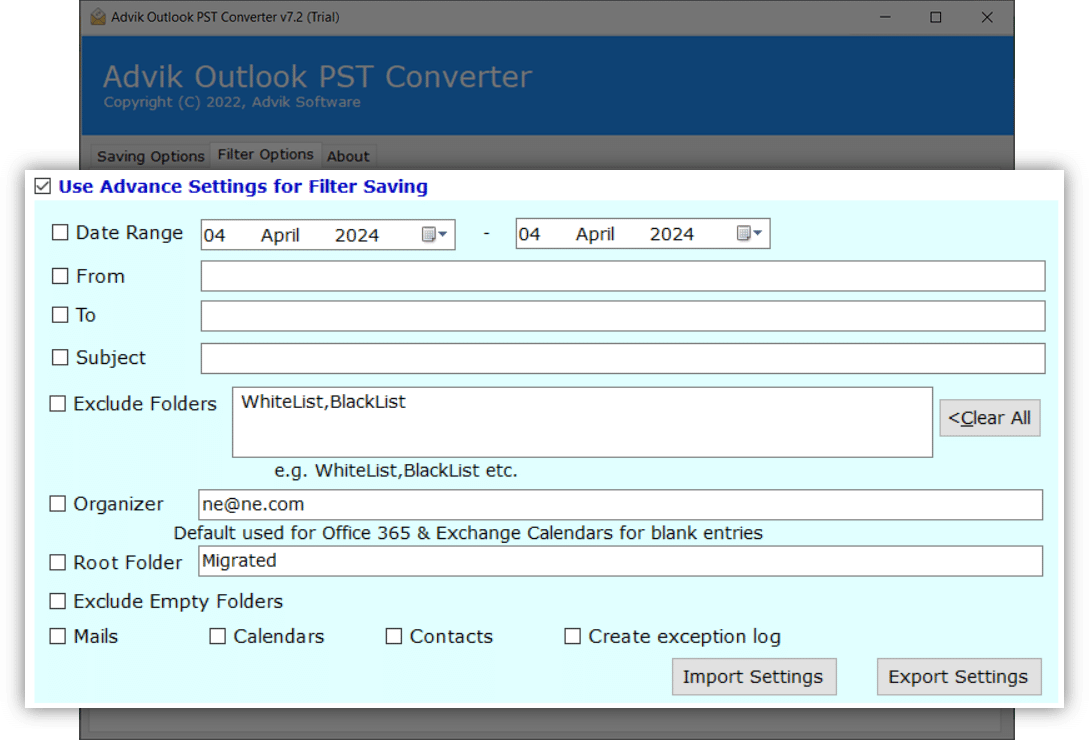
For users with large amounts of PST file data, the tool offers an email filter option. This allows users to convert a select set of emails by specifying a date range, subject, To, from, etc. With this feature, users can easily exclude unwanted data or emails, free up storage space, and save PST files quickly after conversion. Simply define a specific email filter to move the PST file to enable the conversion of only the desired emails.
He typed the phrase into search engines, each result a doorway that almost, but not quite, opened. There were forum threads in cramped Polish, a pirated screenplay's broken crumbs, a scanned pamphlet missing pages. PDFs flickered and dissolved—links dead, mirrors removed, usernames gone. Each partial finding instructed him more in absence than presence. The more he learned about the word, the more it receded into a geography of loss.
"Nocnik" is a mesmerizing, challenging film that rewards close attention and multiple viewings. For those interested in exploring the world of Andrzej Żuławski and Polish cinema, a PDF version of the film's script or critical essays can provide a valuable starting point. Whether you're a scholar, film enthusiast, or simply curious about the surrealist movement, "Nocnik" is an unforgettable experience that will leave you questioning the boundaries of reality and the power of the human imagination.
Janek read in bursts between tram rides and long nights. The piece—call it essay, call it fiction—wove a house into a temple, a child's porcelain potty into an altar. Żuławski's cinema liked to pull filmic devices like ropes; here, language did the pulling. The "nocnik" appeared in acts that stacked one atop another: a father’s shame, a city's rot, a nation’s masquerade. The mundane object collected meaning like rain collects in a bowl—stale, reflective, reflecting more than it held.
"Nocnik" is a richly symbolic film that explores themes of:
The book (translated as Chamber Pot ), published in 2010 by director and writer Andrzej Żuławski, is one of the most controversial works in contemporary Polish literature. It is a 644-page personal diary covering the period from November 2007 to November 2008. Context and Controversy
: It provides a raw, often cynical look at the film industry, featuring cameos from real figures like Andrzej Wajda. Personal Reckoning
System Requirements
Processor Pentium Class or higher
Operating System Windows 11, 10, 8.1, 8, 7
Memory 1 GB recommended
Hard Disk 100 MB of free space
License Delivery
Electronic via Email
License & Version
Personal License Activation in 1 Machines
Business License For Business Users
Migration License For Corporate Users
Help us to serve you better by sharing your valuable feedback
Try it for Free
Download the Best PST to MSG Converter Software of 2026
**Free demo will convert 25 items from each folder for free
He typed the phrase into search engines, each result a doorway that almost, but not quite, opened. There were forum threads in cramped Polish, a pirated screenplay's broken crumbs, a scanned pamphlet missing pages. PDFs flickered and dissolved—links dead, mirrors removed, usernames gone. Each partial finding instructed him more in absence than presence. The more he learned about the word, the more it receded into a geography of loss.
"Nocnik" is a mesmerizing, challenging film that rewards close attention and multiple viewings. For those interested in exploring the world of Andrzej Żuławski and Polish cinema, a PDF version of the film's script or critical essays can provide a valuable starting point. Whether you're a scholar, film enthusiast, or simply curious about the surrealist movement, "Nocnik" is an unforgettable experience that will leave you questioning the boundaries of reality and the power of the human imagination.
Janek read in bursts between tram rides and long nights. The piece—call it essay, call it fiction—wove a house into a temple, a child's porcelain potty into an altar. Żuławski's cinema liked to pull filmic devices like ropes; here, language did the pulling. The "nocnik" appeared in acts that stacked one atop another: a father’s shame, a city's rot, a nation’s masquerade. The mundane object collected meaning like rain collects in a bowl—stale, reflective, reflecting more than it held.
"Nocnik" is a richly symbolic film that explores themes of:
The book (translated as Chamber Pot ), published in 2010 by director and writer Andrzej Żuławski, is one of the most controversial works in contemporary Polish literature. It is a 644-page personal diary covering the period from November 2007 to November 2008. Context and Controversy
: It provides a raw, often cynical look at the film industry, featuring cameos from real figures like Andrzej Wajda. Personal Reckoning