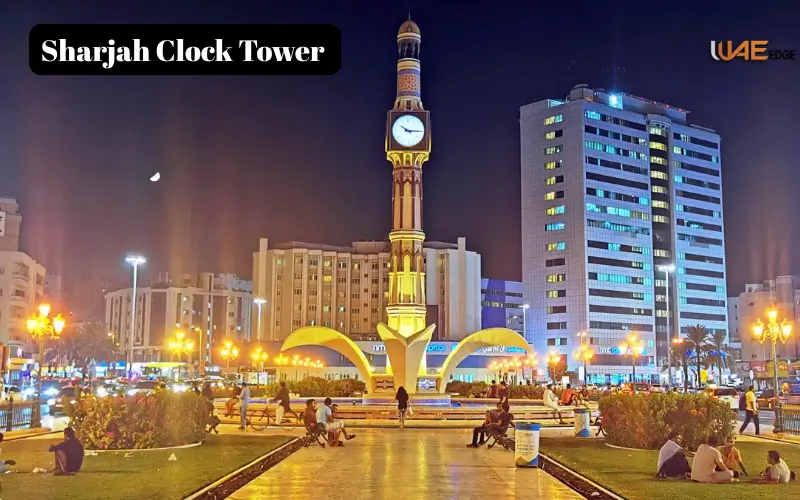
Al Nahda Sharjah Postal Code Guide
Introduction Al Nahda is a very bustling and heavily populated suburb in Sharjah, UAE. Dubai is known to be near
During the "gay rights" era (1990s–2010s), the strategy was assimilation: "We are just like you, except for who we love." Trans people, particularly non-binary and visibly trans people, complicate that narrative. You cannot "assimilate" away a gender identity that disrupts the very notion of male/female bathrooms, sports, and pronouns.
If you're an ally or simply looking to support trans individuals in India, here are some tips: indian shemale tranny fix
Johnson and Rivera later founded , one of the first organizations in the United States led by trans people to house homeless LGBTQ youth. This act of care is a cornerstone of LGBTQ culture: the fight for liberation is inseparable from the fight to protect the most vulnerable. During the "gay rights" era (1990s–2010s), the strategy
This paper explores the relationship between the transgender community and the broader LGBTQ+ (Lesbian, Gay, Bisexual, Transgender, Queer/Questioning, and others) culture. While often perceived as a monolithic entity, LGBTQ+ culture comprises distinct yet overlapping identity groups. The transgender community has both shaped and been shaped by mainstream LGBTQ+ movements, yet it also maintains unique needs, histories, and forms of expression. This paper examines the historical integration of transgender individuals into gay and lesbian spaces, ongoing tensions regarding inclusion and representation, and the evolving solidarity within the larger queer cultural framework. Ultimately, it argues that the transgender community is an integral component of LGBTQ+ culture, though acknowledging distinct experiences of gender identity versus sexual orientation is essential for genuine allyship and effective advocacy. This act of care is a cornerstone of
In recent years, much of the political friction surrounding LGBTQ+ rights has shifted specifically toward trans-inclusive healthcare and sports.